
When planning an outdoor space, it’s natural to focus on how it will look — finishes, materials, planting, and overall style.
But the most successful landscapes aren’t just designed to look good on completion day. They’re designed to perform well over time.
Long-term performance means fewer issues, lower maintenance, and a space that continues to function as intended for years — not months. Here’s why performance-led design matters, and what it actually involves.
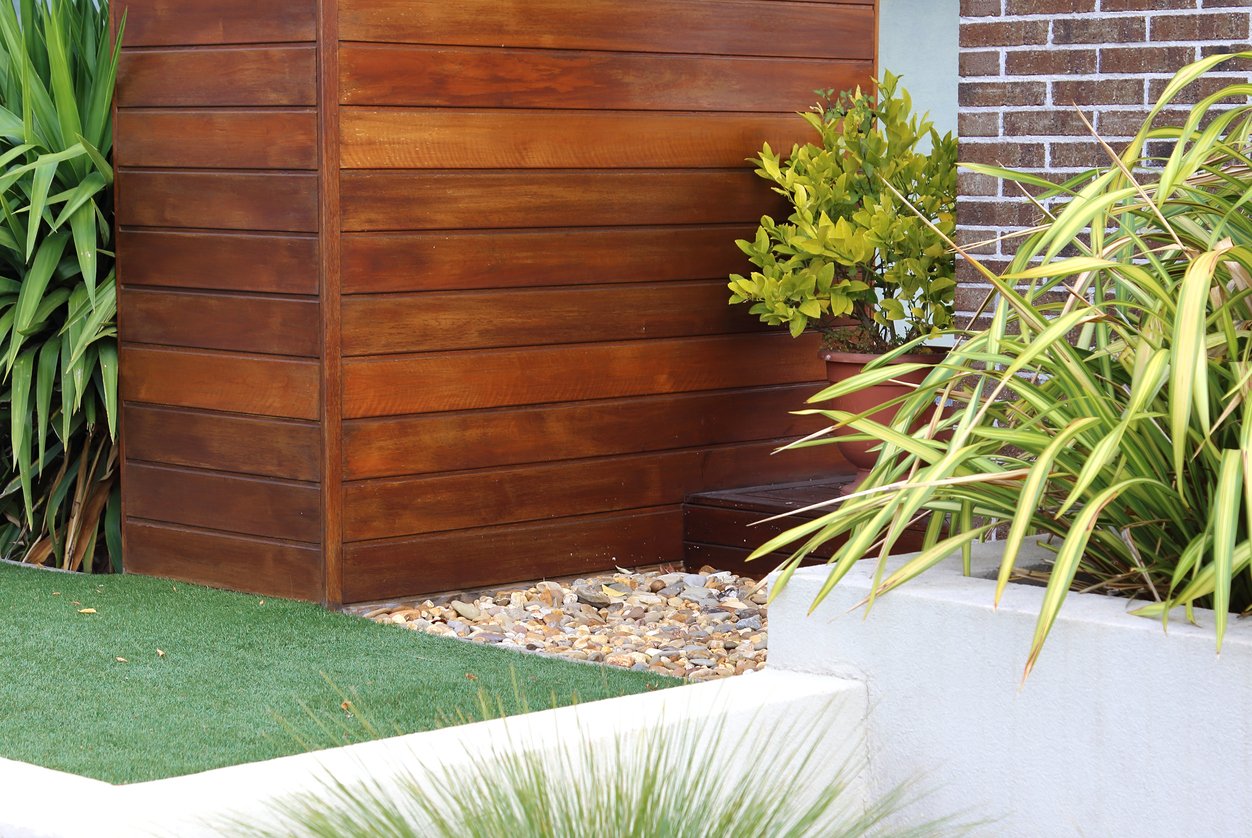
A good-looking landscape can still fail
Some of the most common landscaping issues we see don’t come from poor materials or lack of effort — they come from designs that prioritise aesthetics over function.
Without considering performance, issues can include:
Movement or cracking in hard surfaces
Water pooling or drainage problems
Retaining walls under pressure
Turf and gardens struggling to establish
Ongoing maintenance headaches
A visually appealing design still needs the right foundations beneath it to succeed long-term.
Performance starts with understanding the site
Every site behaves differently.
Long-term performance depends on understanding:
Natural slope and levels
Soil type and ground conditions
Water flow across the site
Access and usage patterns
In areas like Albury–Wodonga, where sloping blocks and reactive soils are common, site assessment is critical. Designing without this understanding often leads to compromises later.
Drainage is a design feature, not an add-on
Drainage plays a role in almost every part of an outdoor space — whether it’s visible or not.
Good performance-led design integrates drainage into:
Retaining walls
Paved and concreted areas
Garden beds and turf zones
Transitions between levels
When drainage is treated as an afterthought, it often leads to movement, water damage, and long-term deterioration.
Materials should be chosen for function as well as form
The right materials aren’t always the most visually striking — they’re the ones best suited to the conditions.
Performance-based material selection considers:
Load requirements
Exposure to water and weather
Maintenance expectations
Compatibility with surrounding structures
This ensures surfaces, walls, and finishes don’t just look good initially, but continue to perform as intended.
Designing for how the space will actually be used
A well-performing landscape reflects how people move through and use the space.
This includes:
Traffic flow and wear patterns
Vehicle access and load zones
Entertaining vs utility areas
Commercial usage requirements
Designing for real-world use reduces wear, improves safety, and increases the lifespan of the space.
The value of a construction-led approach
Long-term performance is often best achieved when landscaping is informed by construction experience.
A construction-led approach brings:
Structural understanding
Better sequencing of works
Stronger foundations
Fewer compromises between trades
This approach is particularly valuable for complex residential builds and commercial projects where durability matters.
Performance-first design saves money over time
While performance-led landscaping may require more planning upfront, it often saves significant cost over the life of the space.
Fewer repairs, less maintenance, and reduced rework all contribute to better long-term value — and a more enjoyable outdoor environment.
Planning an outdoor space in Albury–Wodonga?
If you’re investing in landscaping, it pays to think beyond aesthetics alone.
At Formscape Outdoor Solutions, we design and build outdoor spaces with long-term performance at the forefront — balancing structure, drainage, materials, and design to deliver spaces that last.
👉🏼 Request a tailored quote to discuss your project.