
Retaining walls are one of the most important structural elements in any landscaping project — especially in the Albury–Wodonga region, where sloping blocks and varied soil conditions are common.
Done properly, a retaining wall creates usable space, manages soil movement, improves drainage, and enhances the overall look of your property. Done poorly, it can lead to costly repairs, safety risks, and long-term issues that are far harder (and more expensive) to fix later.
Here’s what you need to know before building a retaining wall on your property:
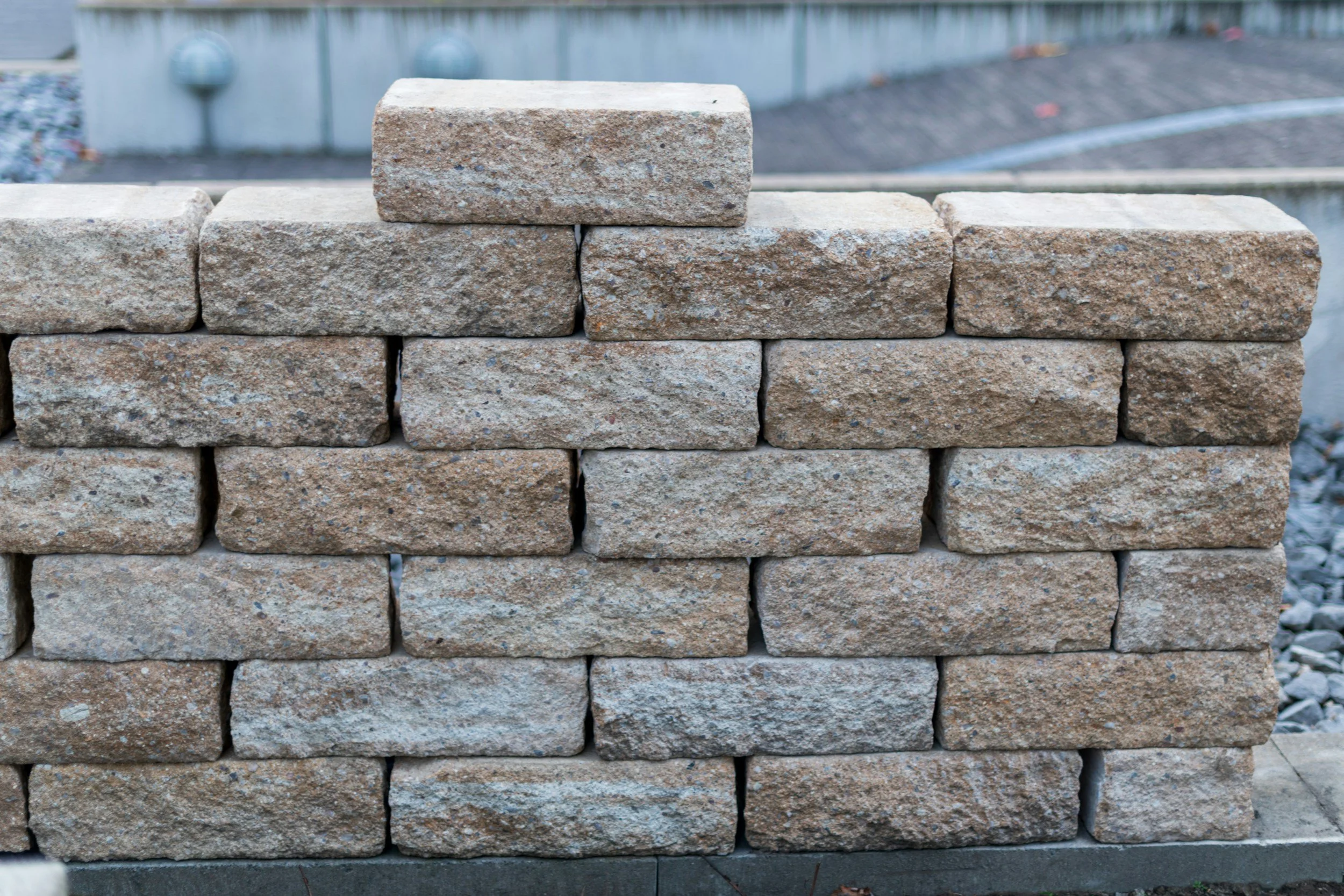
Why retaining walls matter more than most people realise
Retaining walls aren’t just about holding soil in place.
A well-designed wall plays a critical role in:
Managing ground pressure
Controlling water flow and drainage
Protecting surrounding structures
Creating level, functional outdoor areas
In areas like Albury–Wodonga, where blocks often have natural fall or require site cut-and-fill, retaining walls are often structural necessities — not optional extras.
Local considerations in Albury–Wodonga
Every site is different, but local conditions matter.
When building retaining walls in Albury–Wodonga, factors such as:
Soil type
Natural water flow
Slope gradient
Proximity to buildings or boundaries
all need to be carefully assessed before construction begins.
This is why a one-size-fits-all approach rarely works. What’s suitable for one property may be completely inappropriate for another — even within the same suburb.
Structural design is not optional
One of the most common mistakes we see is retaining walls being treated as purely aesthetic features.
In reality, retaining walls must be designed to withstand:
Lateral earth pressure
Water buildup behind the wall
Load from nearby structures, driveways, or fences
Depending on the height and location of the wall, engineering input may be required to ensure long-term stability and compliance.
This is especially important for:
Walls over certain height thresholds
Walls near buildings or property boundaries
Commercial or multi-residential sites
A properly designed retaining wall protects not just your landscape — but your investment.
Drainage: the most critical (and overlooked) element
Drainage is arguably the most important part of any retaining wall system.
Without adequate drainage:
Water pressure builds behind the wall
Soil becomes saturated and unstable
Structural failure becomes far more likely over time
Proper drainage design typically includes:
Subsoil drainage behind the wall
Free-draining backfill materials
Weep holes or outlet systems where required
Cutting corners here almost always leads to problems later.
Material choices: more than just appearance
Retaining walls can be constructed using a range of materials, including:
Concrete sleepers
Poured concrete
Natural stone
Masonry blocks
The right material depends on:
Wall height and load requirements
Desired finish
Maintenance expectations
Overall landscape design
While appearance matters, performance and longevity should always come first — particularly for higher-end residential and commercial properties.
Council requirements and approvals
In many cases, retaining walls may be subject to:
Council regulations
Height restrictions
Boundary setback requirements
Engineering certification
These requirements vary depending on location, wall height, and proximity to neighbouring properties.
Understanding these requirements early helps avoid delays, redesigns, or compliance issues down the track.
Why experience matters
Retaining walls sit at the intersection of construction, engineering, and landscaping. That’s why experience across all three disciplines is so important.
A contractor with strong construction knowledge understands:
Load paths and soil behaviour
Structural detailing
Site preparation and sequencing
This ensures the retaining wall doesn’t just look good on completion — but continues to perform as intended for years to come.
Planning a retaining wall in Albury–Wodonga?
If you’re considering a retaining wall for your property, early planning and the right advice make all the difference.
At Formscape Outdoor Solutions, we design and construct retaining walls that are structurally sound, carefully detailed, and built to suit the specific conditions of each site — whether for luxury residential properties or commercial developments across Albury–Wodonga.
👉🏼 Request a tailored quote to discuss your project and ensure it’s done properly from the ground up.