
When planning a new outdoor area, one of the most common questions property owners ask is whether paving or concreting is the better option.
Both finishes are popular across residential and commercial landscapes in Albury–Wodonga, and both can work beautifully — when they’re chosen for the right reasons.
The best choice depends on how the space will be used, the conditions of the site, and the long-term performance you expect from the surface. Here’s a practical breakdown to help you decide which option is right for your property.
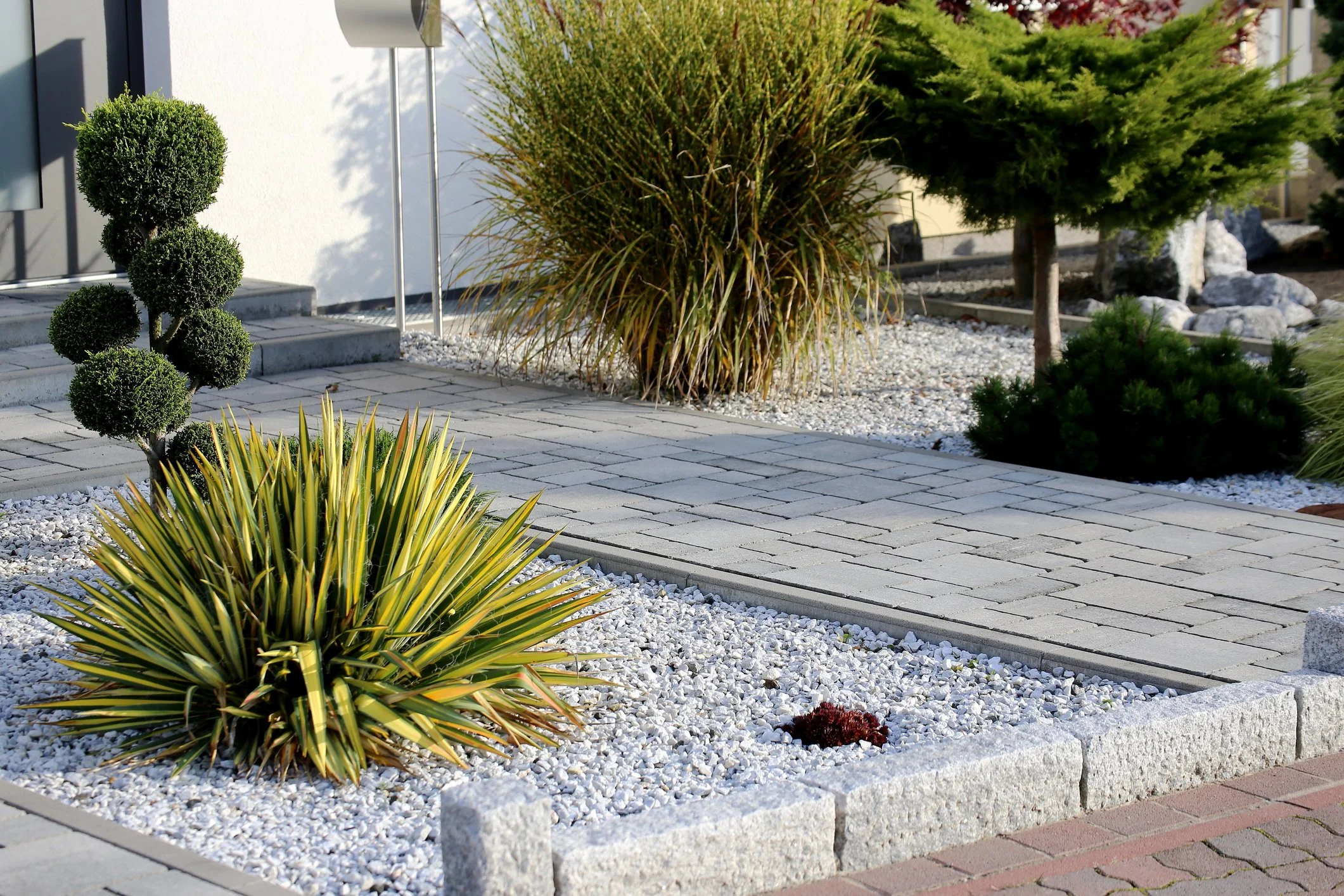
Understanding the difference
While paving and concreting can look similar at a glance, they’re constructed very differently.
Paving involves laying individual pavers over a prepared base, allowing for movement and drainage between joints.
Concreting creates a single, continuous surface that’s poured and finished in place.
Both options require proper site preparation to perform well — and this is often where the biggest differences in outcome occur.
When paving is the right choice
Paving is often chosen for its flexibility and visual appeal.
It’s a great option when:
You want a more detailed or textured finish
The area needs to accommodate slight ground movement
Drainage is a key consideration
Future access or repairs may be required
Because paving is laid in sections, it allows for:
Easier repairs or modifications
Better water permeability (depending on jointing)
A wide range of design and pattern options
Paving works particularly well for:
Courtyards and entertaining areas
Garden pathways
Pool surrounds
High-end residential landscapes where aesthetics are a priority
That said, paving still relies heavily on correct base preparation. Without it, issues such as sinking or uneven surfaces can occur over time.
When concreting makes more sense
Concreting is often selected for its strength, durability, and clean finish.
It’s well suited to areas that:
Experience higher loads or frequent use
Require a smooth, uniform surface
Need minimal ongoing maintenance
Concreting is commonly used for:
Driveways
Commercial accessways
High-traffic paths
Areas requiring structural performance
Modern concreting techniques also allow for a range of finishes, including exposed aggregate and coloured concrete, offering both durability and visual appeal.
The key to long-term performance with concrete lies in:
Proper ground preparation
Correct reinforcement
Appropriate joint placement
Without these elements, cracking and movement can become an issue.
Drainage and site conditions matter
In the Albury–Wodonga region, site conditions can vary significantly from one property to the next.
Factors such as:
Soil type
Natural slope
Water flow across the site
all play a role in determining whether paving or concreting is more suitable.
In some cases, paving may allow for better surface drainage. In others, concreting combined with integrated drainage solutions may be the more effective approach.
This is why assessing the site as a whole — not just the surface finish — is essential before making a decision.
Maintenance and longevity
Both paving and concreting can deliver long-term results when installed correctly.
Paving may require:
Occasional re-levelling
Joint maintenance
Weed management if not properly sealed
Concreting generally requires:
Minimal maintenance
Occasional cleaning
Resealing over time, depending on finish
Choosing the right option comes down to how much maintenance you’re comfortable with and how the space will be used over the years ahead.
There’s no one-size-fits-all answer
The best outdoor spaces often combine multiple materials.
It’s not uncommon for a single project to include:
Concrete driveways
Paved entertaining areas
Integrated drainage and structural elements
Rather than asking “Which is better?”, a more useful question is:
“What’s best for this specific space?”
Planning paving or concreting in Albury–Wodonga?
Whether you’re upgrading a residential property or managing a commercial site, choosing the right surface finish early can save time, cost, and maintenance down the track.
At Formscape Outdoor Solutions, we assess each site individually to recommend solutions that balance performance, durability, and design — ensuring the finished result looks good and functions properly long-term.
👉🏼 Request a tailored quote to discuss the right approach for your property.