
When people think about landscaping, they often focus on the visible elements — paving, turf, retaining walls, planting, and finishes.
But beneath every successful outdoor space is something far less visible, and far more important: drainage.
In fact, poor drainage is one of the most common causes of long-term landscaping failure. No matter how well a space looks on completion, without proper drainage planning, problems are almost inevitable.
Here’s why drainage matters so much — and why it should be considered from day one of any landscaping project.
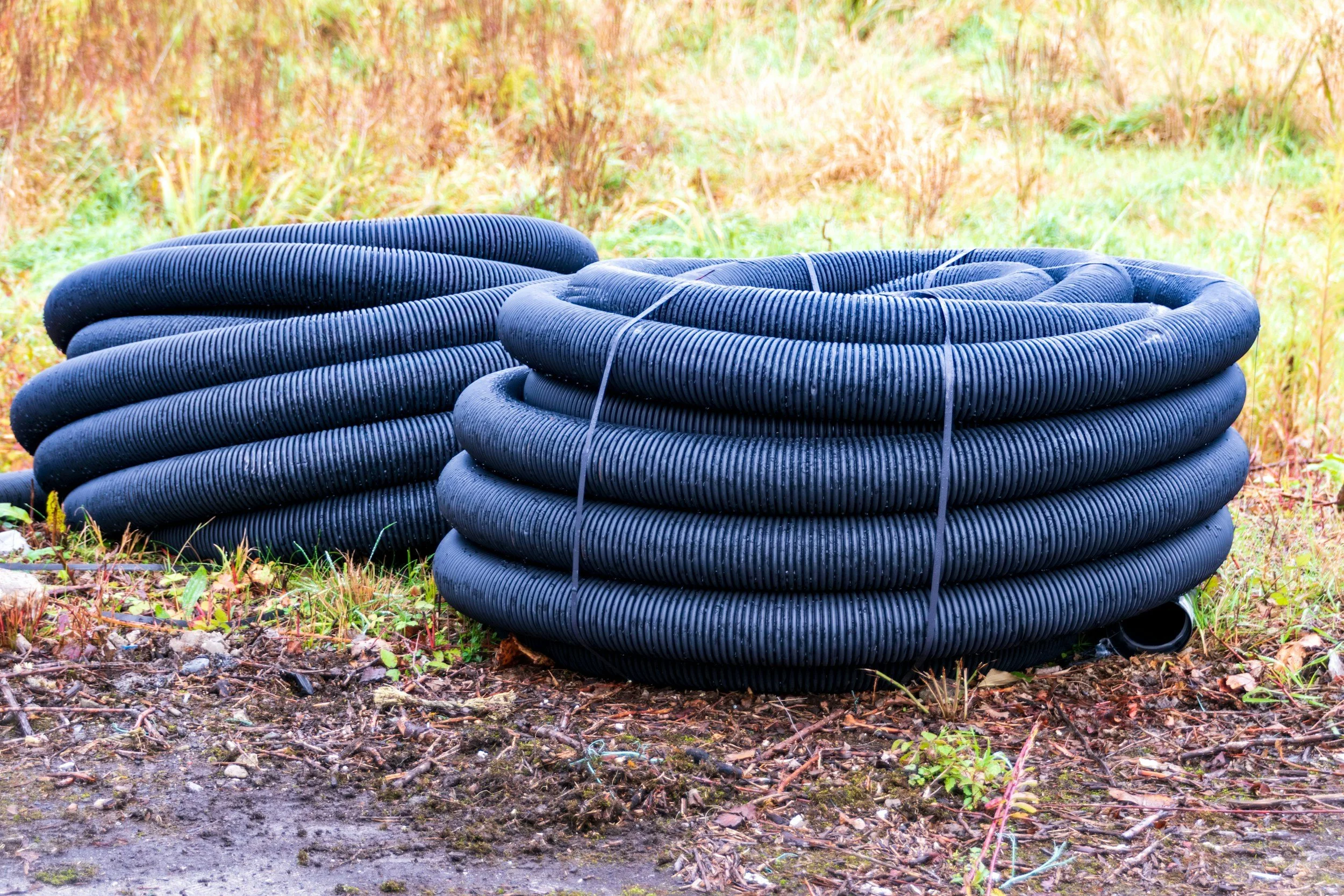
Good / bad drainage affects everything above it
Water is one of the most powerful forces in the landscape.
If it isn’t controlled correctly, it can:
Undermine retaining walls
Cause paving or concrete to shift and crack
Kill turf and plants
Create ongoing mud, pooling, or erosion issues
Damage nearby structures or foundations
Many landscaping issues don’t appear immediately. Instead, they develop slowly over time — often months or years after construction — once water begins to move through the site in unintended ways.
That’s why drainage isn’t something to “add later.” It needs to be integrated into the design from the very beginning.
Local conditions make drainage even more critical
In regions like Albury–Wodonga, properties often experience:
Sloping blocks
Reactive soil types
Heavy rainfall events followed by dry periods
These conditions make effective drainage design essential.
Without it, water can collect behind retaining walls, beneath paved surfaces, or around buildings — leading to movement, cracking, and long-term structural issues.
Understanding how water naturally flows across a site is one of the first and most important steps in any successful landscaping project.
Retaining walls rely on proper drainage
Retaining walls are designed to hold back soil — not water.
When water builds up behind a wall without adequate drainage:
Pressure increases significantly
Soil becomes saturated and unstable
The risk of wall movement or failure rises
Proper retaining wall drainage typically includes:
Subsurface drainage systems
Free-draining backfill materials
Outlet points or weep holes where required
Without these elements, even a well-built wall can fail over time.
Paving and concrete need drainage to perform long-term
Drainage plays a major role in how hard surfaces age and perform.
Poor drainage beneath paving or concrete can lead to:
Sinking or uneven surfaces
Cracking
Water pooling and surface staining
Correct preparation and drainage ensure that water is directed away from the surface and base layers remain stable.
This is particularly important for:
Driveways
High-traffic areas
Commercial accessways
A surface that looks perfect on day one will only stay that way if water is managed correctly beneath it.
Drainage protects turf, gardens, and planting
Plants need water — but they also need oxygen at their roots.
Without proper drainage:
Turf can become waterlogged and fail
Garden beds may suffer from root rot
Soil structure can degrade over time
Good drainage allows excess water to move away while still supporting healthy plant growth. It also reduces maintenance issues and improves the longevity of landscaped areas.
Good drainage is invisible when done properly
One of the reasons drainage is often overlooked is because, when it’s designed and installed correctly, you rarely notice it.
There are no obvious signs — no pooling, no erosion, no recurring issues.
That’s exactly how it should be.
Effective drainage works quietly in the background, protecting the entire landscape system without drawing attention to itself.
Why experience matters with drainage design
Drainage sits at the intersection of:
Landscaping
Construction
Engineering principles
It requires an understanding of ground conditions, levels, water behaviour, and long-term performance — not just surface appearance.
An experienced contractor will assess:
Site fall and water flow
Soil conditions
Integration with retaining walls and hard surfaces
Compliance with local requirements
This ensures drainage solutions are practical, durable, and suited to the specific site.
Planning a landscaping project in Albury–Wodonga?
Whether you’re upgrading a residential property or managing a commercial site, drainage should be one of the first considerations — not an afterthought.
At Formscape Outdoor Solutions, we design and construct landscaping projects with drainage built into the foundation of every decision, ensuring long-term performance and fewer issues down the track.
👉🏼 Request a tailored quote to discuss your project and ensure it’s designed properly from the ground up.